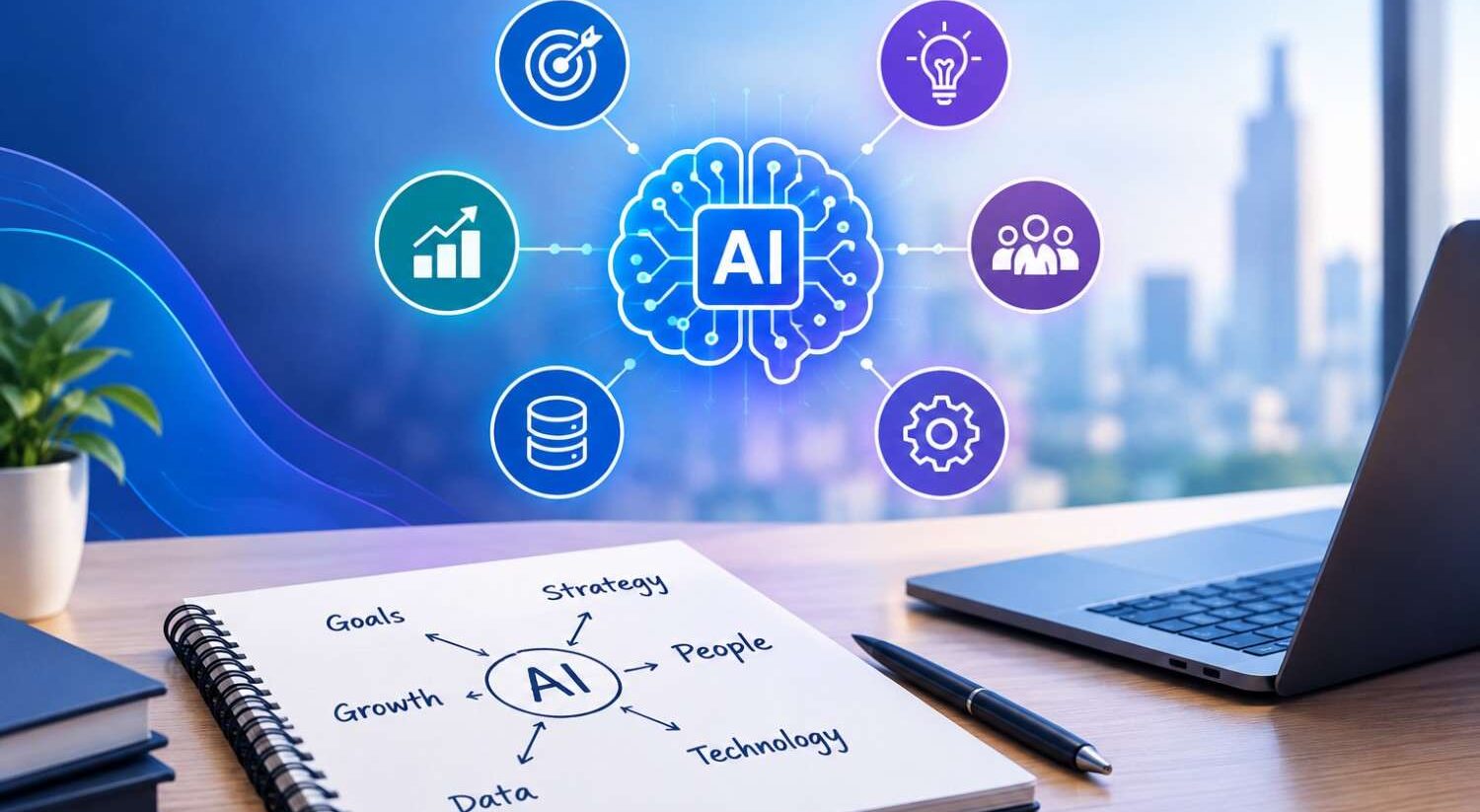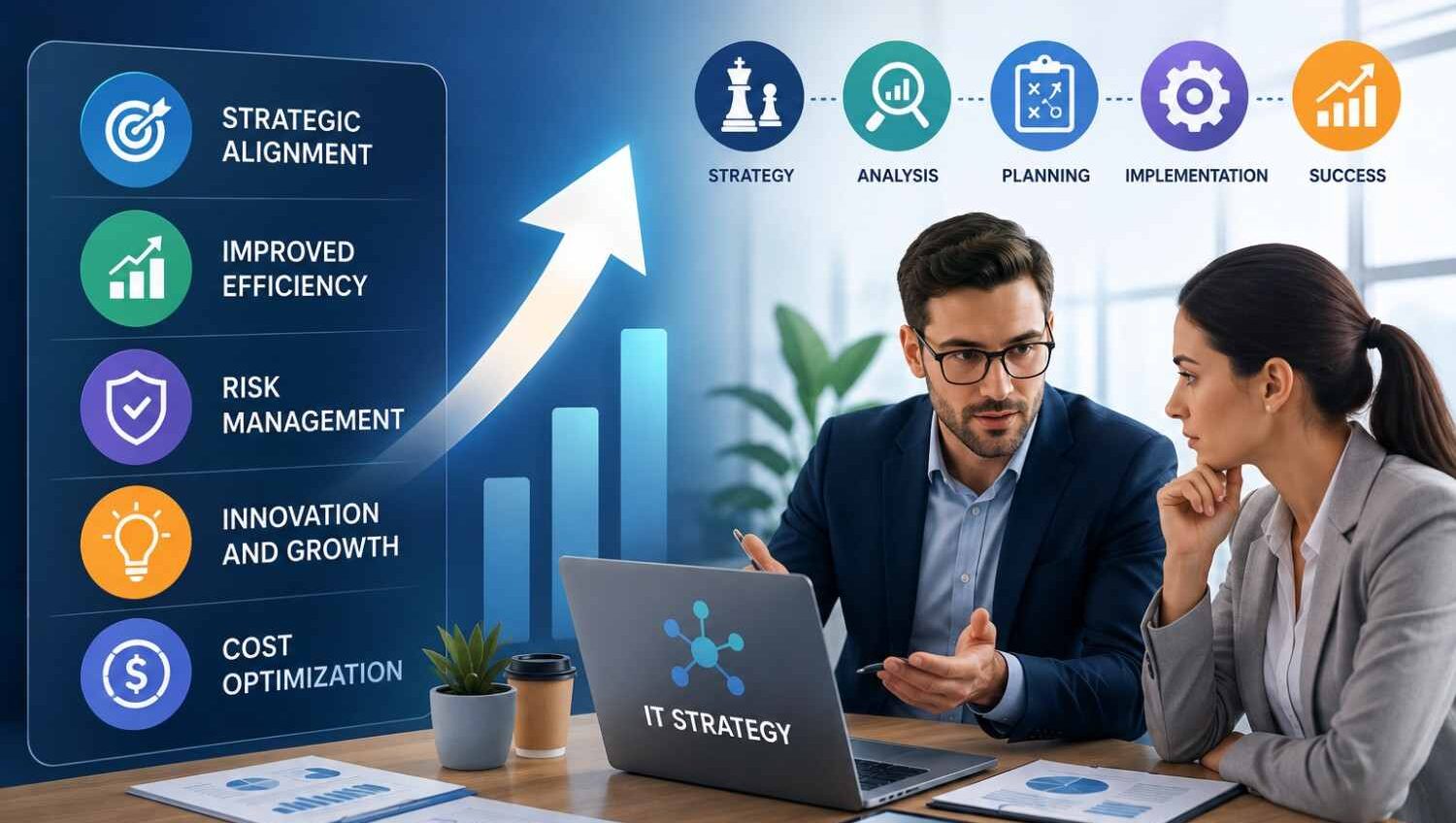
Choosing an AI vendor feels a lot like hiring a senior engineer. Everyone looks strong on paper. Everyone demos well. Three months later you find out whose deck was doing the heavy lifting, usually when somebody admits the training data was thinner than it looked. Budgets disappear in that stretch, somewhere between the demo that impressed your steering committee and a system your ops team will open on a Monday. The AI development partner you sign decides which side of that gap you land on. The questions below cover the three that matter most: what you want built, how a vendor treats your data, and how to test the claims in the pitch.
Define Your Business Goals and AI Requirements
Skip this step and everything after it gets harder. Plenty of AI projects get funded backwards. A board member reads something about agentic workflows, asks the CTO what the company is doing about AI, and a budget line exists weeks before anyone writes down what success would look like.
Flip that around and name the business outcome first. Cut average claim processing from six days to two. Reduce support ticket volume by a third. Catch defective parts before they ship. Targets like these give an AI development company something to build against, and give you a number to hold the work to later.
Then get honest about your data. Where does it actually sit today? Is it clean enough to use without weeks of janitorial work, and is there enough history there for a model to learn anything worth having? A good AI development partner asks this on the first call. If nobody raises data before quoting a price, that tells you plenty.
Decide scope too. A proof of concept, a pilot with real users, and a full production rollout are three different commitments with different budgets. Buyers often ask for AI development services covering all three, then get blindsided by what the last one costs.
Put all of this into a short requirements document, two pages at most. Every vendor gets the same copy, which makes their answers comparable instead of leaving you with five sales pitches.
Consider Data Security, Privacy, and AI Compliance
Your data is the asset. The model is just what somebody builds from it. Ask where your data gets processed and stored. Cloud region matters under data residency rules. Ask whether your data will train anything that later serves another client. You want a no, and you want it in the contract rather than in somebody’s call notes.
Then ask for paperwork. ISO 27001 and SOC 2 Type II reports. Subprocessors listed by name. A data processing agreement somebody actually signed, breach notification timelines, and a retention policy saying when your records get deleted. Any serious AI software development company produces these without fuss. Here, vagueness is a signal.
Sector rules add another layer. Healthcare work brings HIPAA. Anything touching European users brings GDPR and now the EU AI Act, which sorts systems by risk level and adds documentation duties to the high risk ones. Indian businesses have the Digital Personal Data Protection Act to account for. Your partner need not be a law firm, though they should have shipped under these rules and know what an audit trail looks like.
Sort out intellectual property while everyone is still friendly. Once the engagement ends, who owns the repository, the fine-tuned weights, the prompt library, the pipeline behind all of it? Whatever stays vague early becomes somebody’s negotiating chip later.
Finally, ask how the model gets watched after launch: bias testing, human review on sensitive decisions, request logging, a rollback plan for when output drifts.
How to Make the Final AI Development Partner Selection
By now you should have a shortlist. Three or four names is plenty. Any more and you are comparing paperwork instead of capability.
Get past the sales team early. Ask to speak with the engineers who would staff your project, and ask how they would approach your problem. Twenty minutes of that teaches you more than any capability deck.
Ask for two references in your industry, ideally including one that ran into trouble. A vendor willing to walk you through a bad month tells you more than any polished case study will. Sector experience counts for similar reasons. Reading chest X-rays and forecasting spare part demand may run on comparable infrastructure, though almost nothing else about the two jobs overlaps.
Team stability matters too. Who sits on it, how long have they been there, and will the people in the pitch be the ones doing the work? Quiet rotation is common and expensive.
Run a paid discovery phase before the large contract. A few weeks of real work reveals communication habits, code quality and honesty in a way no procurement process can.
On pricing, compare models rather than totals. Fixed price works when the scope is genuinely fixed, time and materials when you are still exploring, a dedicated team when the roadmap runs long. The best AI development company for your project may not submit the lowest bid, though it should explain what the difference buys.
Then check what happens after going live. Monitoring, retraining, documentation and handover often matter more than the build.
Final Thoughts
No ranking will tell you the best AI development company in general. There’s only the one that suits your particular problem, your data and how much risk your board can stomach. So define the outcome before anything else. Insist on evidence behind every security claim. Then test the relationship with a small piece of paid work before betting a year of budget on it. Vofox has spent two decades shipping enterprise software and works as an AI development partner for teams that need something running in production, not another demo for the board. If we make your shortlist, open with the business goal and see who asks the sharper questions.
Frequently Asked Questions
Q1: How do I choose the right AI development partner?
A: Work backwards from the outcome you need rather than from whichever technology is trending. After that it comes down to three checks: delivery experience in your sector, security practices they can evidence, and access to the engineers instead of an account manager. Pay for a small pilot before signing anything long.
Q2: What should I look for in an AI development company?
A: Check the track record first. Then the dull paperwork: a documented data handling policy, ISO 27001 or SOC 2 certification, clean IP terms, support after launch covering monitoring and retraining. Ask early who owns the code once the engagement ends, and get that answer in writing.
Q3: How much does AI development cost?
A: Scope decides it. Proof of concept work is usually a modest spend, while a production system carrying integrations, monitoring and compliance obligations costs far more. Have discovery, pilot and production quoted as separate lines so nobody is guessing what was committed.
Q4: Why is industry experience important when selecting an AI partner?
A: Because domain knowledge saves months. A team that has worked with healthcare records or aviation maintenance logs already knows where that data turns ugly and which regulator will come asking. Hire without it and your project funds the education.
Q5: Should I choose an AI development partner based only on price?
A: No, though it helps to know why a bid came in cheap. Something usually got left out: discovery, testing, documentation, support. Those reappear later at worse rates. An AI software development company that quotes higher and scopes honestly tends to be cheaper by the end.