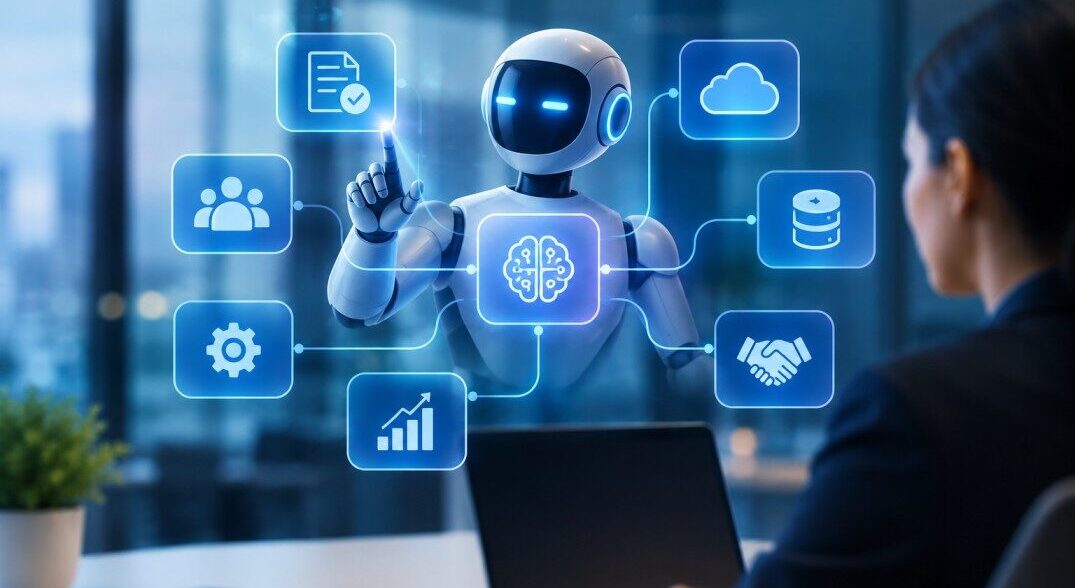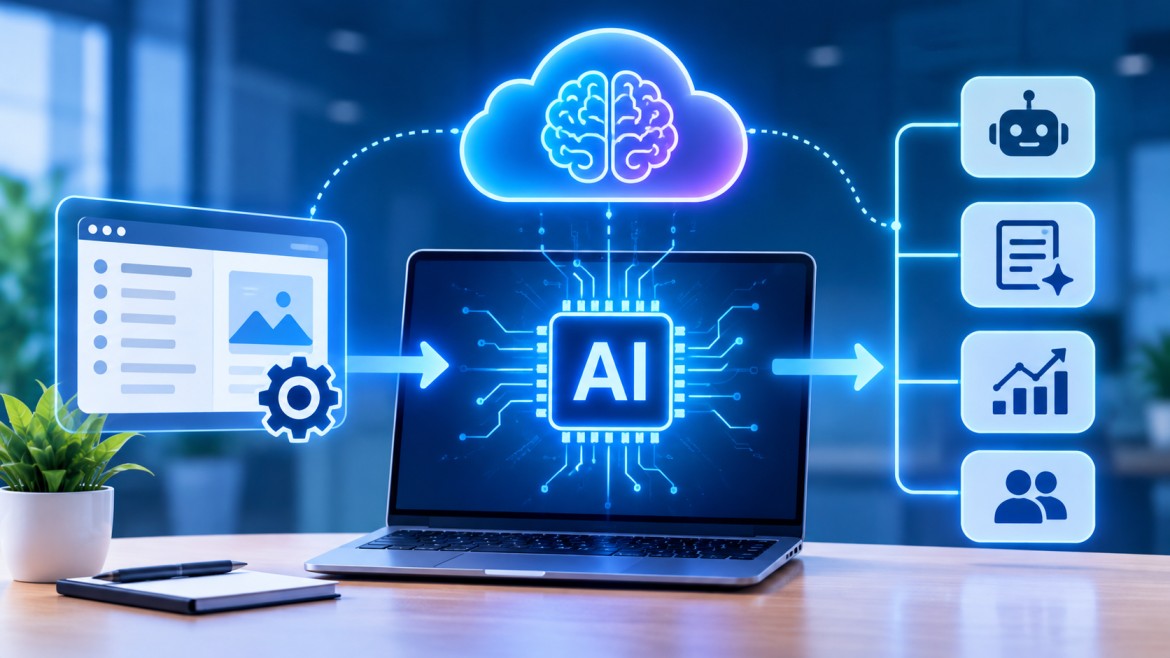
Businesses increasingly adopt artificial intelligence to improve operational efficiency, customer experiences, and business decisions. Generative AI offers valuable opportunities through intelligent automation, content generation, predictive insights, and personalized interactions. However, integrating these capabilities into existing software systems requires careful planning and technical expertise. Companies must consider their current infrastructure, data quality, security requirements, and long-term business objectives. Partnering with an experienced AI software development company can help organizations identify suitable integration opportunities. A structured approach also ensures that AI capabilities complement existing workflows. This blog explores the key challenges, integration best practices, and business benefits of incorporating Generative AI into established software environments.
Key Challenges and Considerations When Integrating Generative AI into Legacy Software Systems
Integrating Generative AI into legacy software systems requires businesses to address several technical and operational challenges. Older applications often use outdated architectures, limited APIs, and incompatible programming frameworks. These limitations can complicate communication between AI models and existing software components.
- Legacy Infrastructure Compatibility
Many organizations operate applications that rely on monolithic architectures or older databases. These environments may lack the flexibility required for modern AI integration. Businesses should evaluate their infrastructure before selecting suitable AI models and integration methods. API gateways and middleware can help establish communication between existing applications and AI services.
- Data Quality and Accessibility
Generative AI depends on relevant, accurate, and well-organized information to produce useful results. However, legacy systems frequently store information across disconnected databases and applications. Inconsistent formats and duplicate records can affect model performance. Businesses should establish data cleansing, standardization, and validation processes before integration.
- Data Security and Compliance
AI integration introduces additional considerations involving sensitive business information and customer records. Organizations must establish access controls, encryption, and secure data transmission. They should also evaluate regulatory requirements before sharing information with external AI providers.
- Integration Costs and Scalability
AI implementation involves expenses related to infrastructure, model usage, development, and maintenance. Businesses should estimate these costs while considering future expansion. An experienced AI development company can recommend suitable architectures that support scalability and operational efficiency.
- Employee Adoption and Change Management
Employees may need guidance when AI capabilities become part of their daily workflows. Organizations should provide training and establish clear usage policies. Human oversight also helps employees validate AI-generated recommendations and maintain accountability.
Best Practices for Integrating Generative AI APIs into Existing Enterprise Applications
Successful AI integration requires a practical strategy that aligns technical capabilities with business requirements. Organizations should follow established development practices to minimize disruption and maintain application performance.
- Identify Suitable Integration Opportunities
Start by evaluating existing workflows and identifying repetitive tasks that require significant employee effort. Customer support, document processing, internal knowledge searches, and report generation offer useful starting points. Prioritize opportunities that deliver measurable business value.
- Choose the Right AI Models and APIs
Businesses should evaluate AI models based on accuracy, response speed, cost, security, and compatibility. Options include hosted AI APIs, open-source models, and privately deployed solutions. An experienced AI software development company can assess these options and recommend suitable technologies for enterprise requirements.
- Use API-Based Integration
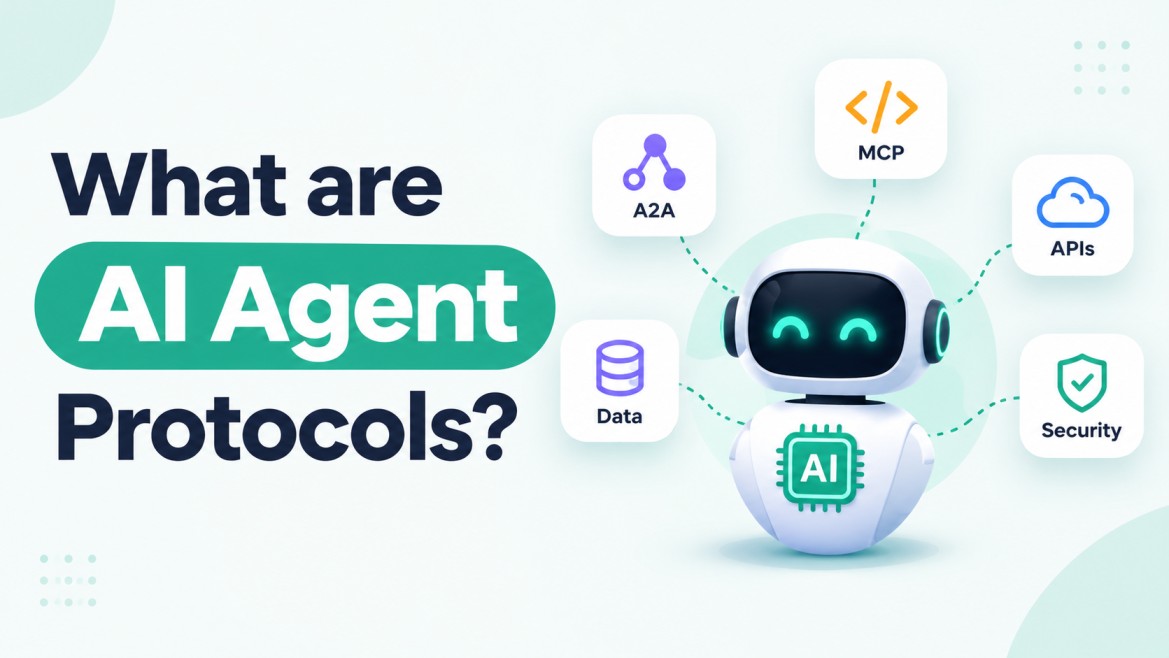
APIs provide a structured way to connect AI capabilities with existing applications. Developers can integrate language models through REST APIs, backend services, and middleware. This approach reduces changes to core application components while supporting future upgrades.
- Establish Strong Data Governance
Organizations should define clear policies for data access, storage, processing, and retention. Developers should implement encryption, authentication, and role-based permissions. Regular security assessments can help identify vulnerabilities and protect sensitive information.
- Begin With a Pilot Project
A pilot project allows businesses to evaluate AI performance before expanding implementation. Organizations can test a selected workflow, collect employee feedback, and measure response accuracy. This process helps teams identify technical issues and refine integration strategies.
- Monitor and Optimize Performance
AI integration requires continuous monitoring after deployment. Businesses should track response quality, latency, API costs, user adoption, and system reliability. Regular evaluations help organizations improve model performance and maintain consistent application experiences.
How Generative AI Integration Improves Business Automation, Productivity and Decision-Making
Generative AI integration creates opportunities for businesses to improve everyday operations. When organizations connect AI capabilities with existing enterprise applications, employees can complete tasks faster. They can also access relevant information and make informed decisions.
- Streamlines Repetitive Business Processes
Many departments handle repetitive activities involving documents, emails, customer queries, and data entry. Generative AI can automate several tasks through intelligent workflows. For example, customer support applications can generate suggested responses based on customer queries. Document management systems can summarize lengthy reports and extract relevant information.
These capabilities reduce manual workloads and help employees focus on higher-value responsibilities. Businesses can also improve workflow consistency through standardized AI-assisted processes.
- Improves Employee Productivity
Employees often spend considerable time searching for information across enterprise applications. AI-powered assistants can retrieve relevant documents and summarize internal knowledge. These assistants can also help employees draft reports, prepare presentations, and organize information.
Integration with existing collaboration platforms makes these capabilities accessible within familiar workflows. Consequently, employees can complete routine responsibilities with greater efficiency.
- Supports Faster and Informed Decision-Making
Business decisions often depend on information distributed across multiple systems. Generative AI can summarize complex datasets and present relevant findings. Managers can use these insights to understand operational performance and identify potential improvements.
When combined with reliable analytics tools, AI-generated summaries help decision-makers interpret information more efficiently. However, businesses should validate important recommendations against verified data.
- Enhances Customer Experiences
Businesses can integrate AI-powered chatbots and virtual assistants into customer relationship management platforms. These tools can answer common questions and provide relevant product information. They can also support personalized communication using approved customer information.
Human agents can handle complex requests while AI manages routine interactions. This approach improves response times and supports consistent customer engagement.
- Strengthens Operational Efficiency
AI integration can improve coordination across departments by connecting information and automating selected workflows. For example, sales teams can generate customer summaries, while finance teams can extract information from invoices. Human resource departments can also streamline recruitment documentation and employee support.
A reliable AI software development company can help organizations implement these capabilities according to their operational requirements. Businesses seeking specialized AI development services should prioritize solutions that support existing infrastructure, security standards, and measurable performance goals.
Ultimately, Generative AI can strengthen enterprise operations when organizations combine suitable technology with effective governance and human oversight.
Conclusion
Integrating Generative AI into existing software systems requires strategic planning, technical expertise, and continuous optimization. Businesses must evaluate infrastructure compatibility, data quality, security, and integration costs before implementation. Choosing suitable APIs and starting with focused pilot projects can reduce risks. The right technology partner also helps organizations develop scalable solutions that support long-term business objectives. An experienced AI software development company can guide enterprises through architecture planning, implementation, and ongoing improvements. With appropriate integration practices, businesses can improve automation, employee productivity, customer experiences, and decision-making while extending the value of their existing software investments.
Frequently Asked Questions
- What is Generative AI integration in existing software systems?
Generative AI integration involves connecting AI models and APIs with existing business applications. It enables software systems to generate content, summarize information, answer questions, and automate selected workflows using relevant business data.
- How can businesses integrate Generative AI into their existing applications?
Businesses can begin by identifying suitable workflows and selecting compatible AI models or APIs. Developers can connect these capabilities through REST APIs, middleware, and backend services. Organizations should also establish security controls, test performance, and monitor results after deployment.
- What are the challenges of integrating Generative AI into legacy software systems?
Common challenges of integrating Generative AI into legacy systems include outdated infrastructure, incompatible technologies, poor data quality, security concerns, and integration costs. Employee adoption and ongoing model maintenance also require careful planning.
- Which technologies are used for Generative AI integration?
For Gen AI integration, teams often use technologies such as large language models, REST APIs, Python, cloud platforms, vector databases, retrieval-augmented generation (RAG), and API gateways. Additionally, businesses may use orchestration frameworks and enterprise data connectors for establishing a proper integration with the existing system.
- What are the benefits of integrating Generative AI into enterprise software?
Generative AI can automate repetitive tasks, improve employee productivity, support faster decisions, and enhance customer experiences. It also helps businesses retrieve information efficiently and optimize existing operational workflows.